


Copyright © 2026 A&T Respiratory Lectures All Rights Reserved
By Terrence Shenfield MS, RRT-ACCS, RPFT, NPS, AE-C

By Terrence Shenfield MS, RRT-ACCS, RPFT, NPS, AE-C

By Terrence Shenfield MS, RRT-ACCS, RPFT, NPS, AE-C

By Terrence Shenfield MS, RRT-ACCS, RPFT, NPS, AE-C

By Terrence Shenfield MS, RRT-ACCS, RPFT, NPS, AE-C

By Terrence Shenfield MS, RRT-ACCS, RPFT, NPS, AE-C

By Terrence Shenfield MS, RRT-ACCS, RPFT, NPS, AE-C

By Terrence Shenfield MS, RRT-ACCS, RPFT, NPS, AE-C
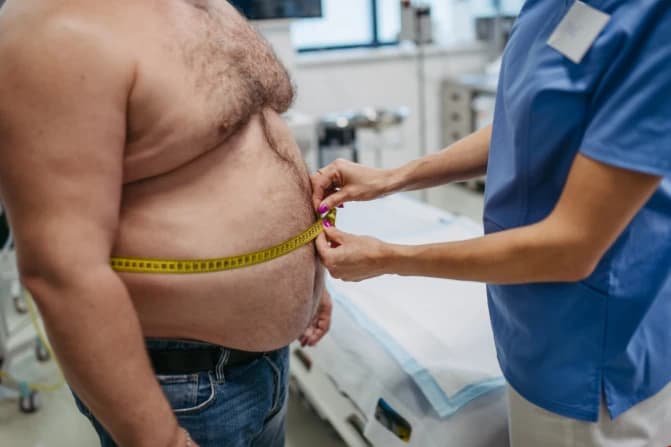
The number of obese patients undergoing surgery, whether bariatric or non-bariatric, is steadily increasing. These patients often present unique challenges for medical professionals, particularly when it comes to ventilation. While their lungs are typically healthy prior to surgery, the physiological changes caused by obesity lead to complications like hypoxemia, hypercapnia, and atelectasis during the perioperative period.

Respiratory therapy is a dynamic and fulfilling profession that has a meaningful impact on countless lives. Respiratory therapists play a vital role, whether it’s assisting newborns with delicate respiratory needs, managing critical care for adults in the ICU, or empowering asthma patients with the knowledge to live healthier lives.
Respiratory care changes fast. At A&T Respiratory Lectures, we want to help you stay ahead.
Our articles are great for everyone. Experienced therapists use them to improve patient care. Newcomers use them to grow their careers. We provide the tools you need to succeed.