


Copyright © 2026 A&T Respiratory Lectures All Rights Reserved
The importance of patient safety in respiratory care cannot be overstated. With the risk of pulmonary infections and complications being particularly high, healthcare providers are challenged to implement measures that not only ensure patient well-being but also enhance clinical outcomes. Key strategies, such as infection control in respiratory therapy and leveraging advanced systems like ETCO2 (end-tidal CO2) monitoring, help mitigate risks and improve care quality. Respiratory therapy CEUs focused on patient safety and infection protocols are crucial in equipping practitioners with the skills they need to excel.
This article explores pulmonary infection prevention strategies, the role of ETCO2 in respiratory care, and how continuing education for respiratory therapists can optimize patient safety standards. For more resources on improving patient safety, visit the A&T Respiratory Lectures library.
Pulmonary infectious diseases, such as pneumonia, bronchitis, and tuberculosis, are caused by bacteria, viruses, fungi, or other microorganisms that affect the lungs and airways. Left untreated, these infections can escalate, especially in patients with chronic conditions or compromised immune systems.
Pulmonary infections primarily develop through:
Airborne Transmission: Illnesses like tuberculosis and viral pneumonia spread via respiratory droplets in the air.
Hospital-Acquired Pathogens: Prolonged hospital stays and improper handling of respiratory equipment can facilitate the spread of infections.
Weakened Immune Systems: Conditions like COPD and asthma render individuals more vulnerable to pulmonary infections.
Early symptom detection is crucial for effective treatment, and healthcare providers should monitor patients for the following signs:
Persistent cough
Shortness of breath
Sudden fever or chills
Increased mucus production
Understanding these signs enables early intervention, minimizing the risk of complications in respiratory therapy.
Preventing pulmonary infections in respiratory care hinges on stringent infection control protocols. These practices not only improve patient safety but also set a foundation for effective treatment in clinical settings.
Strict Hand Hygiene: Ensuring healthcare providers consistently wash their hands significantly reduces infection risks.
Sterilized Equipment: Proper handling and thorough cleaning of respiratory apparatus like ventilators and nebulizers are essential to cut contamination.
Protective Gear: N95 masks, gloves, and face shields prevent pathogen spread during patient care.
Vaccinations: Immunizing patients and staff against diseases like pneumonia and influenza is a critical step in infection prevention.
Enhancing infection control measures with respiratory CEUs focused on infection protocols gives providers the knowledge to deliver exceptional care.
For more guidance on infection control measures, access expert resources on patient safety in respiratory care here.
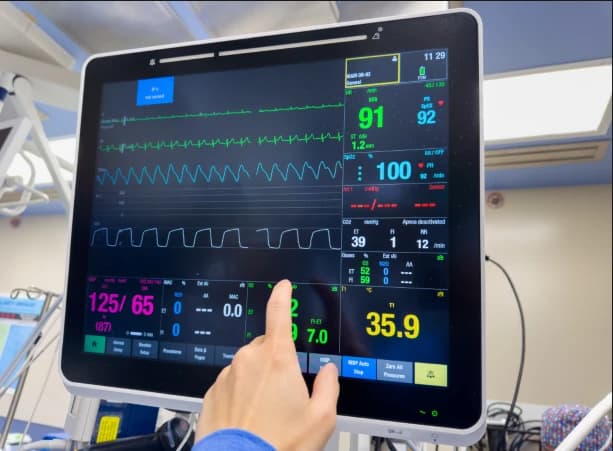
ETCO2 monitoring is revolutionizing respiratory care by offering a non-invasive technique to measure carbon dioxide levels during exhalation. It has quickly become a vital tool for improving patient safety in respiratory therapy due to its real-time feedback and diagnostic accuracy.
Early Detection of Respiratory Compromise
By tracking carbon dioxide levels, providers can identify conditions like hypoventilation or impending respiratory failure, allowing for timely interventions.
Enhanced Resuscitation Efforts
During CPR, ETCO2 monitoring helps evaluate the effectiveness of chest compressions and predicts patient outcomes.
Post-Operative Care
For post-surgical patients at risk of respiratory insufficiency, ETCO2 monitoring ensures a smooth and safe recovery.
Capnography, the technology behind ETCO2 monitoring, is applied in various areas:
Monitoring ventilation during sedation procedures.
Assessing the efficiency of mechanical ventilation systems.
Measuring the effectiveness of CPR efforts during cardiac arrest emergencies.
By leveraging capnography, clinicians can better anticipate complications and make informed decisions, ultimately improving clinical outcomes. Respiratory therapists can explore respiratory CEUs on infection protocols and cutting-edge practices like ETCO2 monitoring to enhance skills and drive safer care.
For further understanding of how ETCO2 boosts patient safety, learn more from this patient safety resource.
Remaining updated and proficient in the latest advancements is vital for healthcare providers, especially in respiratory therapy. Pursuing continuing education respiratory CEUs on infection control and patient safety equips therapists with practical strategies to create safer environments.
Improved Competency
CEUs enhance understanding of essential tools like capnography and infection control measures, ensuring better patient outcomes.
Compliance with Industry Standards
Ongoing education ensures practices stay aligned with the latest protocols and evidence-based care methods.
Higher Job Satisfaction
Mastery of infection and safety measures boosts confidence in clinical capabilities, improving overall job satisfaction.
Through comprehensive courses, respiratory therapists can explore techniques to advance care and promote excellence in the field.
A strong focus on infection control in respiratory therapy, combined with advanced tools like ETCO2 monitoring, elevates patient safety. Here’s how healthcare providers can stay ahead:
Adopt Capnography for Diagnostics
Including ETCO2 monitoring in routine care allows clinicians to improve patient outcomes substantially.
Ongoing Staff Training
Equip teams with updated training on infection protocols and advanced respiratory tools through CEUs to maintain high standards.
Implement Rigorous Protocols
Adhering strictly to hygiene measures and sterilization practices minimizes infection risks.
Leverage Innovative CEUs
Explore respiratory therapy CEUs tailored to infection control and patient safety for actionable insights.
Integrating modern technologies with evidence-based infection control practices fosters a new era in respiratory therapy. Providers who prioritize patient safety in respiratory care and invest in continuing education ensure not only fewer complications but also higher-quality care for all patients.
Whether it’s understanding pulmonary infectious diseases, adopting ETCO2 innovations, or mastering infection control protocols through respiratory therapy CEUs, patient safety remains pivotal. For resources tailored to improving patient care, visit A&T Respiratory Lectures today.
By continuing your education and applying advanced strategies, your expertise can significantly benefit the patients who rely on your care.
Respiratory care changes fast. At A&T Respiratory Lectures, we want to help you stay ahead.
Our articles are great for everyone. Experienced therapists use them to improve patient care. Newcomers use them to grow their careers. We provide the tools you need to succeed.