


Copyright © 2026 A&T Respiratory Lectures All Rights Reserved
Patients who are living with asthma and other respiratory disorders need effective care to improve their quality of life, reduce hospitalization, and support long-term health outcomes. While respiratory medicines improve, healthcare professionals have to stay current with the latest therapies, treatment protocols, and strategies. This is where Respiratory Education plays a critical role. Your professional development could give you the knowledge and skills needed to deliver the best care to your patients.
There are many educational formats available today, and among them, Live respiratory CEUs have emerged as one of the most effective ways to practice new ways of clinical strategies.
In June, as we focus on Excellence in Asthma & Airway Management, it is important to recognize how real-time learning opportunities empower healthcare professionals to improve patient outcomes and help individuals breathe easier.
Respiratory diseases are a significant healthcare challenge today. Asthma, chronic airway inflammation, respiratory infections, and critical airway emergencies need clinicians to make timely and informed decisions.
Advances in treatment approaches, diagnostic technologies, and airway management techniques continue to reshape respiratory care practices.
Healthcare professionals must regularly update their knowledge to:
● Improve asthma assessment and management strategies
● Recognize early signs of airway compromise
● Implement evidence-based treatment plans
● Enhance patient education and self-management support
● Utilize emerging respiratory technologies effectively
● Deliver safer and more efficient airway interventions
Effective continuous education ensures that clinicians are prepared for both routine care and complicated airway emergencies.
Experts comment that staying current with evolving airway management practices and ventilation strategies is paramount in improving patient care.
Liver CEUs are conducted in real time through webinars and virtual classrooms. Unlike self-paced learning modules, live CEUs facilitate students to engage directly with the instructors and peers.
Many respiratory education providers offer live webinars covering topics such as:
● Asthma management
● Mechanical ventilation
● Airway assessment
● Critical care updates
● Leadership in respiratory care
● Emerging respiratory therapies
Organizations dedicated to respiratory education continue to expand live learning opportunities to support ongoing professional growth and competency development.
Real-time lectures effectively bridge the gap between research and bedside application. It enables clinicians to make more informed decisions when caring for patients with asthma and other airway conditions.
● Instructor-led discussions
● Interactive case studies
● Clinical scenario reviews
● Polling and audience engagement
● Question-and-answer sessions
Interactive platforms encourage deeper understanding, which also helps learners retain more information.
Today, professionals are opting for live sessions because they offer opportunities to clarify clinical questions and discuss real-world challenges directly with educators.
● Complex asthma cases
● Airway emergencies
● Ventilator management challenges
● Patient communication strategies
● Treatment decision-making processes
By examining real-world scenarios, healthcare professionals gain insights that can immediately enhance patient care.
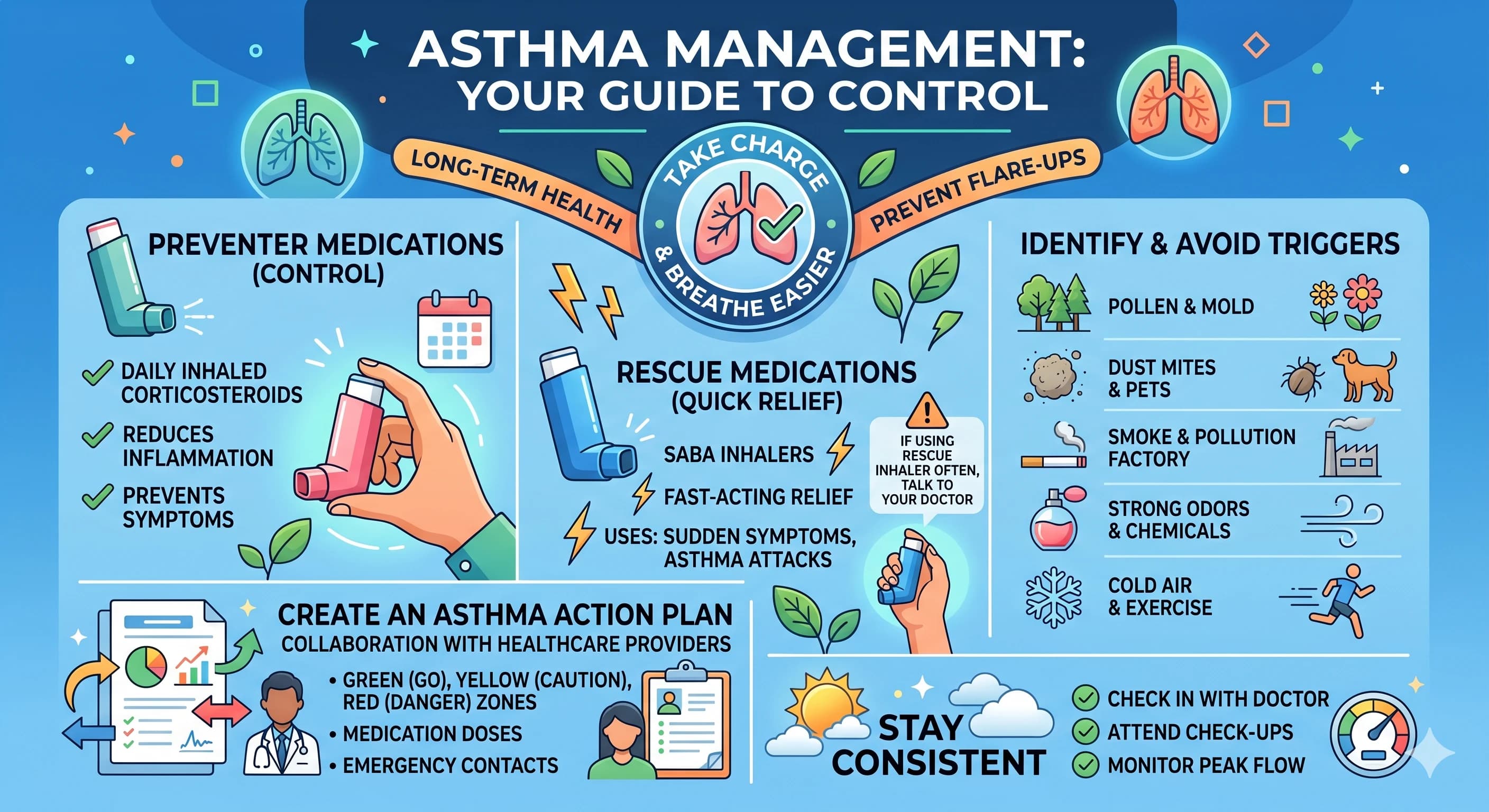
Asthma still remains a common chronic respiratory condition that impacts millions of people worldwide. Below mentioned are a list of things needed for effective asthma management.
Healthcare providers must understand:
● Symptom evaluation
● Severity classification
● Trigger identification
● Risk assessment strategies
● Disease severity
● Lifestyle factors
● Environmental influences
● Medication response patterns
● Spot worsening symptoms
● Use inhalers correctly
● Follow action plans
● Avoid common triggers
● Improve medication adherence
When patients understand their condition, they are better equipped to manage symptoms and reduce exacerbations.
Airway management changes rapidly, especially in emergency and critical care settings. Live CEUs support dynamic airway care, i.e., practitioners are prepared to respond to airway compromises more quickly.
Live respiratory CEUs support dynamic airway care by focusing on:
● Airway stabilization techniques
● Intubation considerations
● Ventilation strategies
● Patient safety measures
Advanced airway training programs emphasize both technical skills and clinical decision-making to improve patient outcomes.
● Ventilator modes
● Respiratory failure management
● Lung-protective strategies
● Evidence-based ventilation practices
Ongoing education in mechanical ventilation supports safer and more effective care for critically ill patients.
● Improved symptom management
● Better treatment adherence
● Reduced complications
● Enhanced quality of life
Not all educational programs offer the same value. When opting for a live CEU, here are a few things to consider:
Respiratory care changes fast. At A&T Respiratory Lectures, we want to help you stay ahead.
Our articles are great for everyone. Experienced therapists use them to improve patient care. Newcomers use them to grow their careers. We provide the tools you need to succeed.